We're Julie Cooper and Brett Cooper, fundraising copywriters for great causes. Does your fundraising bring in as much money as it could? You can send donor communications that stir hearts to action. We'd love to help. 💛 Start by subscribing to our FREE and fun weekly newsletter.
1 harmful trend and 1 helpful example for you
This is the 193rd Fundraising Writing Newsletter. If you find value here, please tell a fundraising friend. (Your fundraising friend can subscribe here for free.) Wednesday, April 1, 2026 Hi Reader, Did anyone ever accuse you of being "Pollyanna-ish"? It happened to me maybe a dozen times, and I have mixed feelings. Here's what Wikipedia says about the Disney film that put a face and a name to the archetype of a person who's always ready with an-over-the-top smile:
Pollyanna is a 1960 American comedy-drama film starring Hayley Mills, Jane Wyman, Karl Malden, and Richard Egan in a story about a cheerful orphan changing the outlook of a small town.
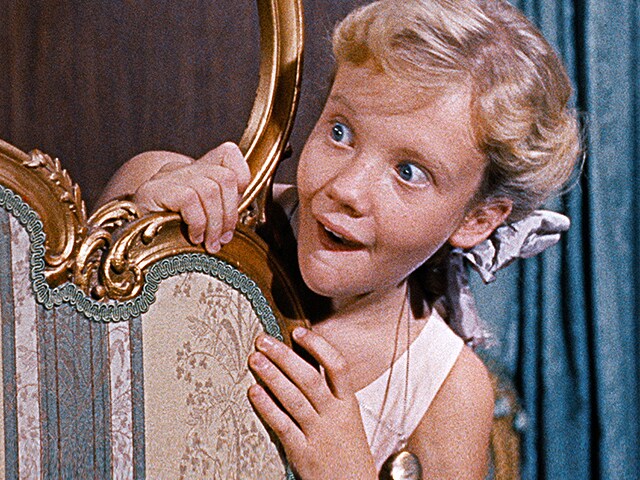
Pollyanna looks like this:
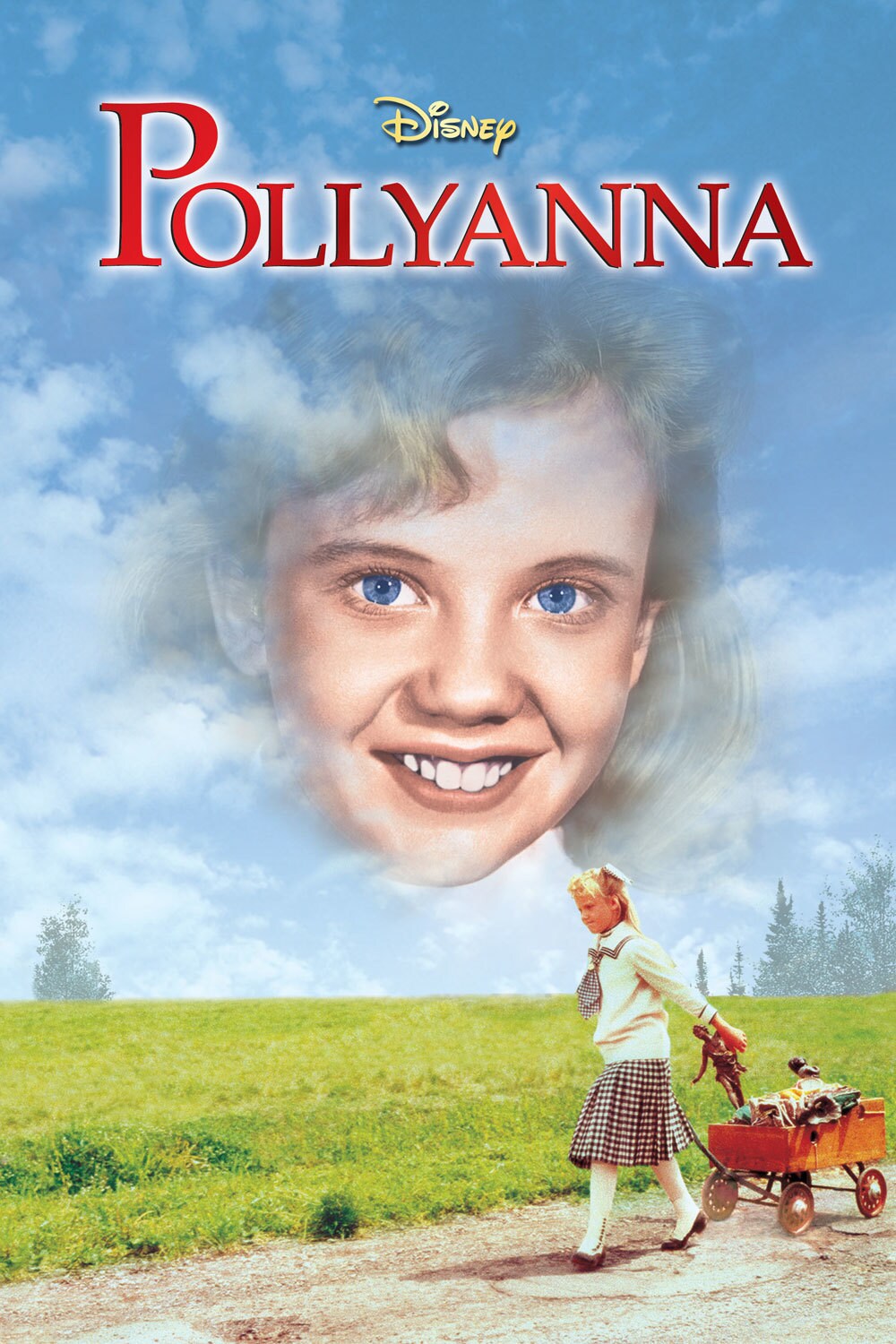
Here's one of the movie posters:
Peak Disney, right? Why do I have mixed feelings about being called Pollyanna-ish? For the same reasons I have mixed feelings about Disney movies, especially older ones. There's something so nice and warm and fuzzy about excessive positivity. But when positivity becomes relentless, persisting even in times and places where negativity is appropriate, then it becomes toxic. I don't want to be toxic. Not even with positivity. I'm guessing you don't, either. If your org leans Pollyanna-ish, it too can be toxic ... and your org's inappropriate positivity can hurt your results. So, here are: 1 harmful trend and 1 helpful example for youBeing inappropriately positive in appeals and cases for support is the harmful trend Brett and I are seeing. Here's a test you can do. Check the "Johnson Box" copy at the top of your most recent direct mail appeal letter... Does it start with something positive? You don't want that. Johnson Box with inappropriate positivity: Foster parents like Angela are changing children's lives. Johnson Box with appropriate negativity: Little Marco didn't know that home could be safe... Do you see the difference? The first example highlights two positives and no negatives. It's too positive. The second example highlights a negative first, then a positive. Is that helpful? If so, great! If not, I understand. It was written to make a point. It's not something we actually wrote for a client. However, we did write and design this example. It's the case for support we mentioned in our March 11th newsletter. In that newsletter, we talked about how you can adapt a formula to create your next case. I said "click here" if interested in seeing the case we were then working on, once it was finished (and now it is): 40% of our readers clicked there. That's almost half. In my book, half rounds up to full. So, instead of sending the example to only some of you, we're including it here for all of you. You're welcome! 🤣 The title of this case is appropriately negative. That's good. What you want is for your donors to feel the need and urgency of the problem first... with a healthy dose of aspirational optimism too. In this example, the front cover also shares that the solution will help all women. (Negative + Positive.) Then you make the case (in your case for support or in your appeal) for how the donor can help solve the problem. The problem is like an itch. The solution is like a scratch. First comes the itch, then the scratch. If you don't help your donors feel the need and urgency of the problem first, they won't feel an itch. They won't want to scratch that itch by donating. Yes, I'm being reductive. What you do is infinitely more important than dealing with "itches" and "scratches." I only use this imagery for metaphorical purposes, to make the concept easier to remember and therefore more likely to actually remembered when it's time for you to write or edit. Being positive is good, generally. It's just not always appropriate. Leave that mindset to the Pollyannas of the Disney world. 2 reader thoughts...Two weeks ago, I asked if you had any thoughts to the points we made in our most recent newsletter about avoiding slop (AI or otherwise) in your donor comms. Two comments from our readers: No matter how many hours of training and how much prompting and how much real creative material you steal to feed the AI machine, it will never actually understand, relate, empathise, hurt, fear, cry, love.
It has no instinct. There is no warmth in its chest. It does not and cannot imagine the exquisite agonising ache of parenthood. It cannot compute what happens in your heart when your dog looks at you. AI can’t replicate the fury or sorrow a human feels when we see a child’s terrified reaction to gunfire.
AI doesn’t care.
Using AI in charity communications diminishes our individual and collective humanity.
And: While it's in vogue these days to hate on AI (and often with good reason), I appreciate the notion in this piece that human beings, unaided by AI and convinced banality is the best path, are quite capable of producing slop, too. We always love your feedback! Thanks! Randomly yoursFor your brain, heart, and funny bone...
Until next time: May you always keep it real, smiles and frowns too; they're all you! Grateful, Julie Cooper & Brett Cooper |
Subscribe to The Fundraising Writing Newsletter
We're Julie Cooper and Brett Cooper, fundraising copywriters for great causes. Does your fundraising bring in as much money as it could? You can send donor communications that stir hearts to action. We'd love to help. 💛 Start by subscribing to our FREE and fun weekly newsletter.
This is the 206th Fundraising Writing Newsletter. If you find value here, please tell a fundraising friend. (Your fundraising friend can subscribe here for free.) Wednesday, October 14, 2026 Hi Reader, Brett here: I think most of us who write regular newsletters like this one secretly imagine that if they miss an issue, their readers will be like: When really, it's probably more like: Anyway, yeah, Julie and I have been MIA in this space for a minute. It's because we've just listed our house...
This is the 205th Fundraising Writing Newsletter. If you find value here, please tell a fundraising friend. (Your fundraising friend can subscribe here for free.) Wednesday, September 16, 2026 Hi Reader, When I was 9 years old, the tv show Cheers came out. It's about a local bar "where everyone knows your name." I hope you have a place like this near you. We do, thankfully, right down the street. It's a dive bar called Kross Inn. No one there shouts "BRETT AND JULIE!" ... but the woman behind...
Meeting up with fundraiser Nick Thorley in Nottingham, UK in 2025 This is the 204th Fundraising Writing Newsletter. If you find value here, please tell a fundraising friend. (Your fundraising friend can subscribe here for free.) Wednesday, September 2, 2026 Hi Reader, Brett here: Can you imagine running a 100-mile race ... blind? Me neither! But that's what our English fundraising friend Nick Thorley will be doing this month — not for the first time. It's one reason (among innumerable others)...